Overcoming Blind Spots!

Blind spots are behaviours and beliefs that we all develop in our lives. Information we encounter and our own life experience, helps us develop mental databases. Sometimes we are correct and sometimes we are flat out wrong about things. Whether right or wrong, very often it’s holding a belief very rigidly, that is the real thing limiting us.

In my own experience of fly fishing, one of the limiting beliefs I had for several years, was that my fly casting was good enough. Sure, on some occasions that was true. On others, it was the biggest thing holding me back. Once I recognised and accepted that, I decided to do something about it. Actually that last sentence is not completely true! What had to happen was, I had to fail so badly, that it pushed me to become better. (For more on this checkout this post on fear setting for performance by Tim Ferriss. Then reflect on your fishing and perhaps other things too!) This ultimately resulted in a huge leap forward in my ability to catch and significantly improved my overall enjoyment of fly fishing.

Another very common blind spot I encounter in people, anglers and non anglers, is that fish are stupid! No doubt influenced to a large extent by widespread misinformation years ago of gold fish having a three second memory.

Is this belief influencing your approach to fly fishing? If so, you might find this post I wrote previously useful. (Bonus tip: – It’s worth reading anyway😉!)

During 2023 we launched a free online fly fishing assessment tool through our business Midlands Fly Fishing (MFF). The intention was and remains that this tool help fly fishers. So it’s free, the requirement to enter your email is ONLY so your results can be sent to you (MFF won’t spam you) and there is no obligation to book lessons (I would be very happy if you do though🙂). So what does this have to do with “blind spots”? Well, a number of people who used the tool contacted me to discuss coaching. In some cases their assessment answers to all but the last question suggested they were not achieving the outcome they should be, which seemed strange. When I worked with all of these people waterside or digitally, we found something they were or were not doing that negatively impacted there fly fishing.

In every case they were completely unaware of the action. A common example of this, was believing they observe the water to determine location of feeding fish and appropriate tactics to start a fishing session. In fact what they were doing, is setting up with what worked last time and going to a favourite spot to start fishing. Yes, the latter does work. However it was very different to their belief. Making a change here results over time in a huge positive change in angler success (e.g. increased catch regularity)!

Want to review your own fly fishing? Take this short free quiz to receive your own results and see where improvements to your fly fishing will have most impact.

Thanks for reading!

SY

A Tale of Two Paths

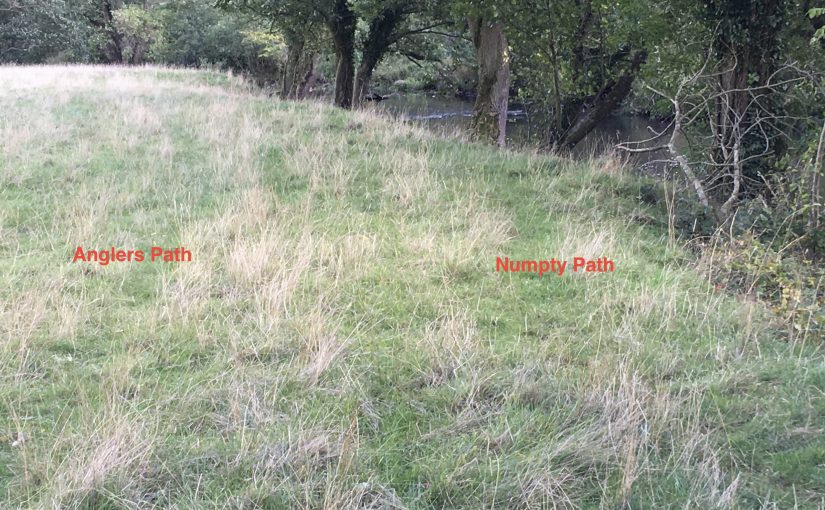
The paths we choose in life have a major impact on everything we do. This remains exactly the same when we go fly fishing. Take a look beside most popular rivers and over the course of a season, two distinct paths form year in year out as shown in the image above.

When viewed like this, it’s easy to see that moving up and down a river via the “Anglers Path” results in you catching more fish. Taking “The Numpty Path” ensures you spook the majority of your quarry before ever unhitching a fly from the keeper ring!

However, their are times when taking the numpty path can be forgiven: –

  • You just don’t know about this. (You do now!)
  • Taking a position on the numpty path stealthily to observe or fish from.
  • Scouting a piece of water you are unfamiliar with and not planning to fish immediately.

When we find ourselves behaving similar to the points below (and we all do sometime(s)), it’s time to laugh, chill out and learn: –

  • We get over excited and go charging along the river looking for a “big un”! Typical of early season, a special trip or anytime you’ve not fished for a while. Overcoming this tendency will help you hugely make your precious, limited fishing time more productive.
  • We become too focused, it starts meaning far too much and the net result is we get clumsy and make mistakes like getting too close.

Finally not taking into account other anglers and walking too close, impacting their fishing. The odd accidental stumble across an unseen comrade is allowed providing an immediate and honest apology is made. Continual uncaring stomping along the bank with no consideration for others, means you are a complete numpty! Sort yourself out.

Thanks for reading!

SJY

Hot Flies, Strawberries & Cream!

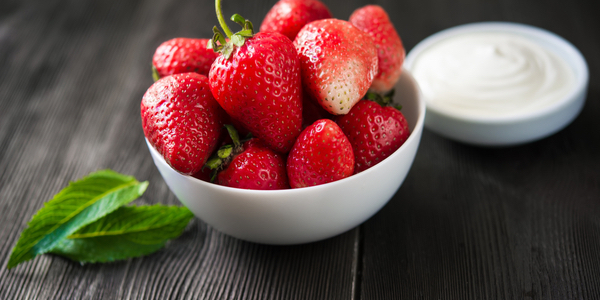
Throughout childhood, my Grandad told stories of his own fishing exploits. Some of these were classic fisherman’s tales, to tease me. Such tales usually resulted in a monster being caught, the magic formula? Strawberries and cream!

Being completely obsessed with all things fishing, I read everything I could lay my hands on when not waterside. So, when reading a number of carp fishing articles in the 1980’s, I was astonished to see huge fish caught on strawberries and cream boilies. I thought, maybe gramps was not winding me up after all!

So where am I going with this and what does it have to do with fly fishing?

The well publicised captures of these carp, caught on strawberry and cream flavoured boiled baits, resulted in many carp anglers using this bait for quite some time.

When the latest hot fly pattern is broadcast in the fly fishing media, exactly the same thing happens.

The irony is however, when everyone uses the same fly/bait, it rapidly becomes a lot less effective. Typically, the people who used it originally, did so to offer the fish something different, to get an edge. Once it becomes the norm, that edge is lost.

Very often by the time most anglers hear about a hot fly pattern, the originators have already moved on to something else!

Think about that, it might just come in handy!

Thanks for reading.

SJY

By continuing to use the site, you agree to the use of cookies. more information

The cookie settings on this website are set to "allow cookies" to give you the best browsing experience possible. If you continue to use this website without changing your cookie settings or you click "Accept" below then you are consenting to this.

Close