Overcoming Blind Spots!

Blind spots are behaviours and beliefs that we all develop in our lives. Information we encounter and our own life experience, helps us develop mental databases. Sometimes we are correct and sometimes we are flat out wrong about things. Whether right or wrong, very often it’s holding a belief very rigidly, that is the real thing limiting us.

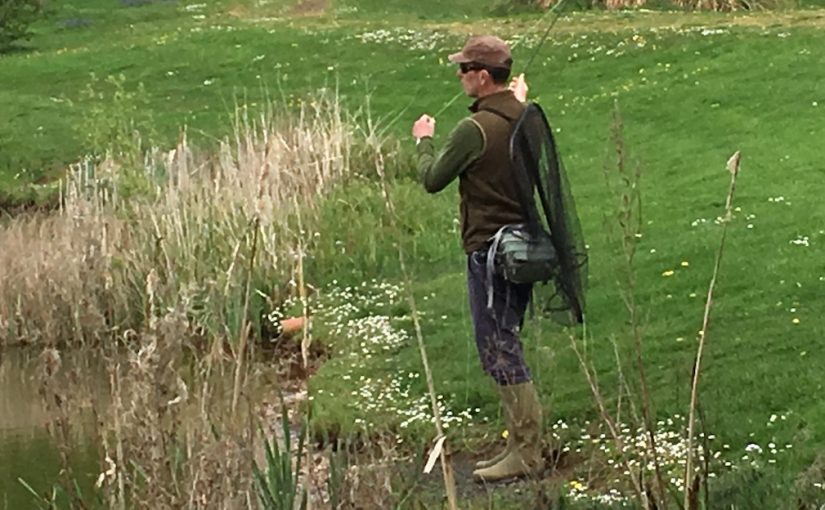
In my own experience of fly fishing, one of the limiting beliefs I had for several years, was that my fly casting was good enough. Sure, on some occasions that was true. On others, it was the biggest thing holding me back. Once I recognised and accepted that, I decided to do something about it. Actually that last sentence is not completely true! What had to happen was, I had to fail so badly, that it pushed me to become better. (For more on this checkout this post on fear setting for performance by Tim Ferriss. Then reflect on your fishing and perhaps other things too!) This ultimately resulted in a huge leap forward in my ability to catch and significantly improved my overall enjoyment of fly fishing.

Another very common blind spot I encounter in people, anglers and non anglers, is that fish are stupid! No doubt influenced to a large extent by widespread misinformation years ago of gold fish having a three second memory.

Is this belief influencing your approach to fly fishing? If so, you might find this post I wrote previously useful. (Bonus tip: – It’s worth reading anyway😉!)

During 2023 we launched a free online fly fishing assessment tool through our business Midlands Fly Fishing (MFF). The intention was and remains that this tool help fly fishers. So it’s free, the requirement to enter your email is ONLY so your results can be sent to you (MFF won’t spam you) and there is no obligation to book lessons (I would be very happy if you do though🙂). So what does this have to do with “blind spots”? Well, a number of people who used the tool contacted me to discuss coaching. In some cases their assessment answers to all but the last question suggested they were not achieving the outcome they should be, which seemed strange. When I worked with all of these people waterside or digitally, we found something they were or were not doing that negatively impacted there fly fishing.

In every case they were completely unaware of the action. A common example of this, was believing they observe the water to determine location of feeding fish and appropriate tactics to start a fishing session. In fact what they were doing, is setting up with what worked last time and going to a favourite spot to start fishing. Yes, the latter does work. However it was very different to their belief. Making a change here results over time in a huge positive change in angler success (e.g. increased catch regularity)!

Want to review your own fly fishing? Take this short free quiz to receive your own results and see where improvements to your fly fishing will have most impact.

Thanks for reading!

SY
Winter Projects Part 1 – Casting

At this time of year (early November) I have developed a habit of reflecting on my fly fishing year thus far. A mini review, identifying anything that needs/could be improved or new ideas to be tried/tested for the next year.

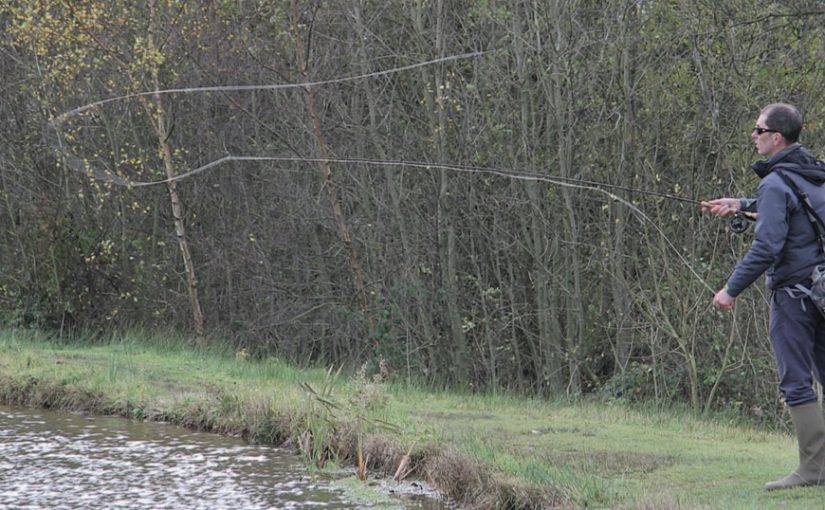
Five years ago, I thought it would be a good idea to train myself to cast as well with my left hand as my right. This was not something I had done seriously before. I can cast at any rod angle through 180 degrees from right to left, right handed, so the left side I tended to neglect. However, it dawned on me that should I seriously injure my right arm at any point, it would not only impact my fishing, but my business too. This gave added impetus to doing something about the situation. Call it scenario planning, if you like.

Each year since, I have spent a small amount of time in total, on a little and often basis, training my left arm to fly cast correctly. I am now convinced that while it’s not as good as my right side yet, a concerted effort this winter, could see me cast better left handed than right!

Why? My hypothesis (and that is all it is) points to me training my left side from scratch, using correct technique and proven training methods. On the right side, I made every mistake under the sun, gradually resolving bad habits over the years as I learned through both doing and seeking out help from professionals. It will be interesting to see what happens. Have any thoughts on this? Please leave a comment if so.

So what fly casting projects could you take on this winter? Increased distance, improved accuracy, learning a new technique, using different equipment for specific situations, etc. The first step is to identify what you want, then go see a professional coach. This will align your wants and needs. You will also gain an invaluable pathway to achieving your goal.

Once you have this, it’s then down to high quality practice!

Best wishes for your winter goals.

SJY

Oops

The above sight is not something any fly fisher wants to experience with a much loved rod. However rod breakages happen, it’s a fact of life. The above resulted from the impact of a weighted fly on the rod. This is something I see all too often and it can be easily reduced with a little thought and attention.

The vast majority of times a fly strikes a fly rod are down to casting error and two in particular. First, the fly line and hence fly, are on the wrong side of the rod during casting, resulting in impact. Second, slack line during the casting process for any number of reasons results ultimately in the fly striking the fly rod.

All these errors are easily corrected, so if the above sounds familiar, look into correcting the problem before it costs you a lot more. The fastest solution is a review with a professional instructor, followed by the “P” word.

Thanks for reading!

SJY

P is for Practice

Practice as the often quoted phrase says, makes perfect. We might all know it, however that might not be enough to make us want to indulge in it.

When talking about fly fishing and practice, we typically think of fly casting. This is really important, beneficial and can be great fun. Other aspects that benefit from practice (and which can be done off water at home or anywhere) are knot tying and fish spotting, the latter using visual exercises and drills to develop subsurface vision.

As for the benefits of fly casting practice, checkout the video below. How many times do I say the word “trip”?

With just a small amount of time and effort, it’s easy to obtain huge gains in your fly casting, fish spotting and knot tying. The big win for you, is being able to locate more fish, deliver your fly effectively to those fish and land more of them too. Need I say more? Yes, you say! OK, for further motivation, checkout this excellent bit of research.

Enjoy Practice!

SJY

By continuing to use the site, you agree to the use of cookies. more information

The cookie settings on this website are set to "allow cookies" to give you the best browsing experience possible. If you continue to use this website without changing your cookie settings or you click "Accept" below then you are consenting to this.

Close