Proof of the Pudding…

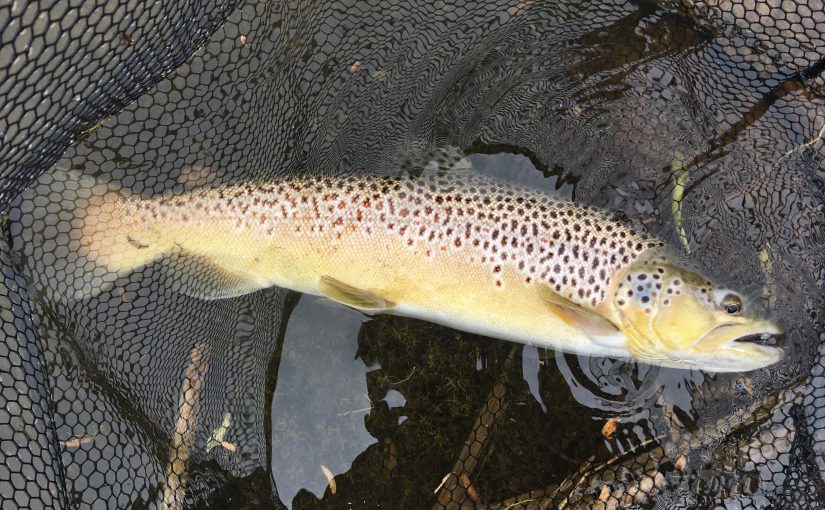
It’s the middle of Mayfly time here as I type, life is wonderfully hectic and I thought I’d share this image with you.

If you’ve read my thoughts on celebrating mayfly time as perhaps the best opportunity to catch trophy trout on dry flies, this photo encapsulates those musings and is “proof of the pudding”!

As usual however, it’s not all plain sailing. Many waters are experiencing mayfly hatches later than average this year, probably due to a colder than normal spring  suppressing water temperature. As a result, being adaptable waterside has proved valuable as is so often the case.

Thanks for reading and tight lines.

SJY

Mayfly – An Alternative View

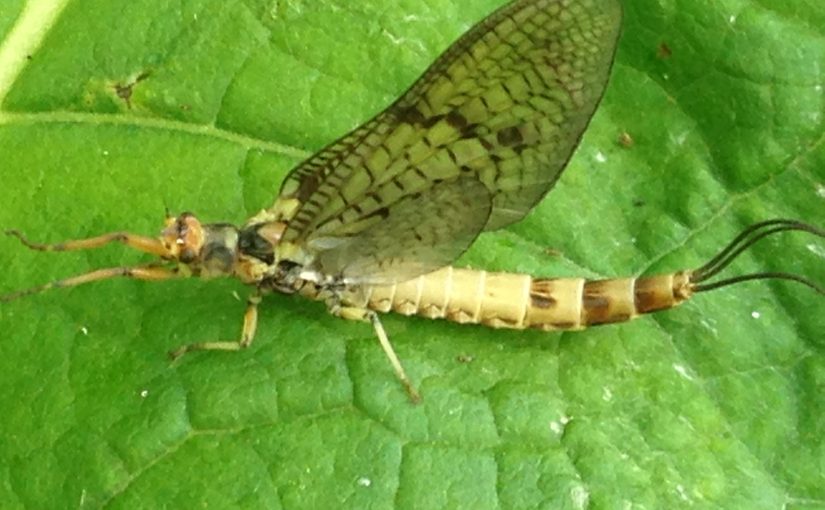
Here in the UK, May/June is when everyone wants to go fly fishing. Depending on where you are in the country, a very special hatch takes place, a fly referred to specifically as, “The Mayfly”. This would be comparable to the Hexagenia hatch in the USA.

Mayfly are big in comparison to most other flies available to trout during the season. This results in abundant hatches lifting many trout to the surface to feed. An epic feast, a dream for dry fly fishing enthusiasts the world over, easy fishing, duffers fortnight they call it!

SO what’s alternative about the above? Nothing, I’m just setting the scene, this is mass perception and it’s wrong!

During the Mayfly hatch period for a water, their  maybe a golden period when trout have really started feeding aggressively on them. Duns hatch in abundance and a relatively small number of anglers have fished the many artificial flies suggesting  mayflies. This is the easy fishing, it does not last long and it’s random luck if you are there when it happens. So, make the most of it!

Going fly fishing at Mayfly time with the expectations of the above paragraph, sets you up for disappointment. By simply adjusting your perception you will enjoy your fly fishing more and catch more fish with time (Note – if you did not just click the link to associated article, I suggest doing so now, you will get far more out of this).

Another point that has bugged me for a couple of years is why call Mayfly “duffers fortnight”? If it sets people up to have a bad time rather than a good time, they won’t comeback. Any argument that fishing is easy, is a poor one.

Further more, I don’t find the term duffers fortnight particularly inspiring . A bit of a PR disaster at a time when every angling body in the country is attempting to boost participation.

See my point? A more inspiring approach both personally and professionally is to think of the mayfly hatch as the best time to catch the trout your life on a dry fly!

Now that sounds like an exciting, interesting, yet achievable challenge to me. After all, why do we go fly fishing if not to challenge ourselves to some degree? If you just wanted to catch a fish, you would fish bait.

Thanks for reading.

SJY
A Window of Opportunity – Dry Flies

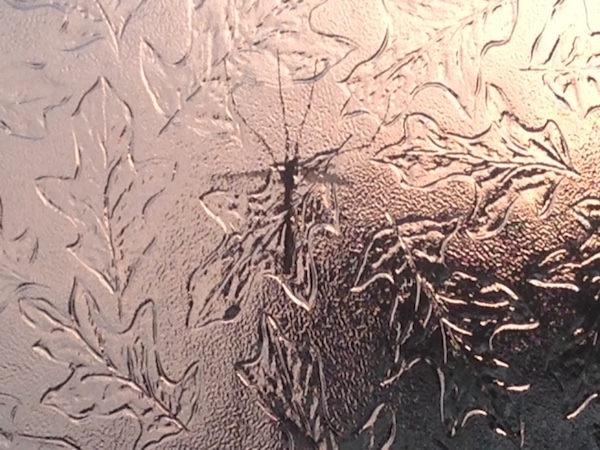
While on hold the other evening, awaiting my phone call to be answered, this crane fly landed in my window of view. Taking the opportunity, I wandered around, viewing the fly from different angles and distances against the light of a setting sun. As you look at the images, light is hitting the fly from behind and right to left.

Crane fly viewed at 2 meters
Crane fly viewed from 2 meters against setting sun.

From a distance of 2 meters the fly looks largely black as you would expect, a strong silhouette against the sky. Looking closely around the thorax, their is perhaps a suggestion of claret (maybe a red wine loving crane fly?) and the wings are obvious. This view was typical from various angles until I moved significantly closer.

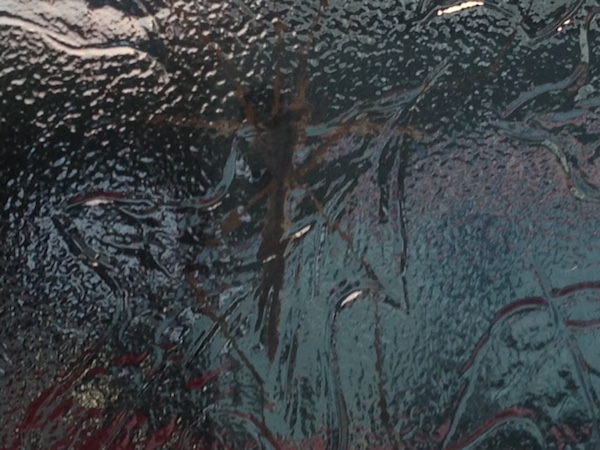
Crane Fly viewed from 30cm
Crane Fly viewed from 30cm against setting sun

At 30cm shown in the image above, the natural colours of the crane fly are clearly visible. There is also a hint of orange highlight, caused by the low angle of sunlight hitting the fly and the wings are vastly reduced in appearance.

What does all this tell us other than I’m easily distracted during boring phone calls and have obsessive fly fishing disorder?

  • For the experienced fly fisher, you won’t be surprised by the colour observations. For the less experienced, this maybe helpful in your dry fly fishing.
  • Wingless dry flies or flies with a sparse suggestion of wings maybe more productive when targeting fish located close to the surface.
  • Winged dry flies may trigger deeper lying fish to rise i.e. the reverse of point 2.
  • Dry flies in colours of the natural, plus some with “highlights” for varying light conditions are a good idea for daytime fishing.
  • Completely black dry flies may sometimes have an edge when fishing after sunset. I would have taken another photo of this, however the fly flew off!

Remember, these images were taken through air and double glazed glass (note the falling leaf pattern in keeping with the season). The result maybe different through water.

This whole exercise was totally opportunistic and as such, leaves you with more questions than answers. That’s good though, you can get out there and answer them now! More than anything, what I did here demonstrates how taking everyday occurrences, actions and skills from many aspects of life and using them to look at fly fishing in a different way, can and does lead to significant improvements in your fishing.

Thanks for reading, share your thoughts.

SJY

By continuing to use the site, you agree to the use of cookies. more information

The cookie settings on this website are set to "allow cookies" to give you the best browsing experience possible. If you continue to use this website without changing your cookie settings or you click "Accept" below then you are consenting to this.

Close